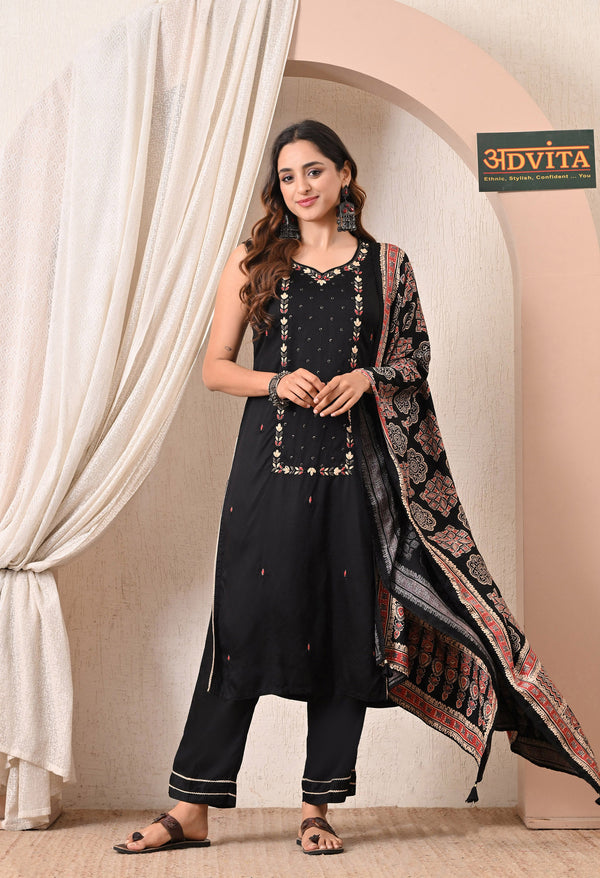
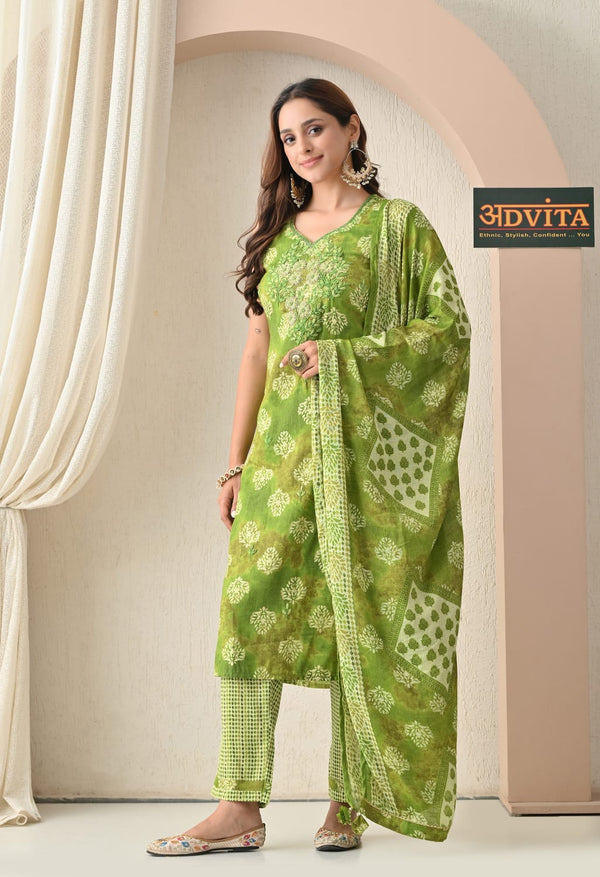
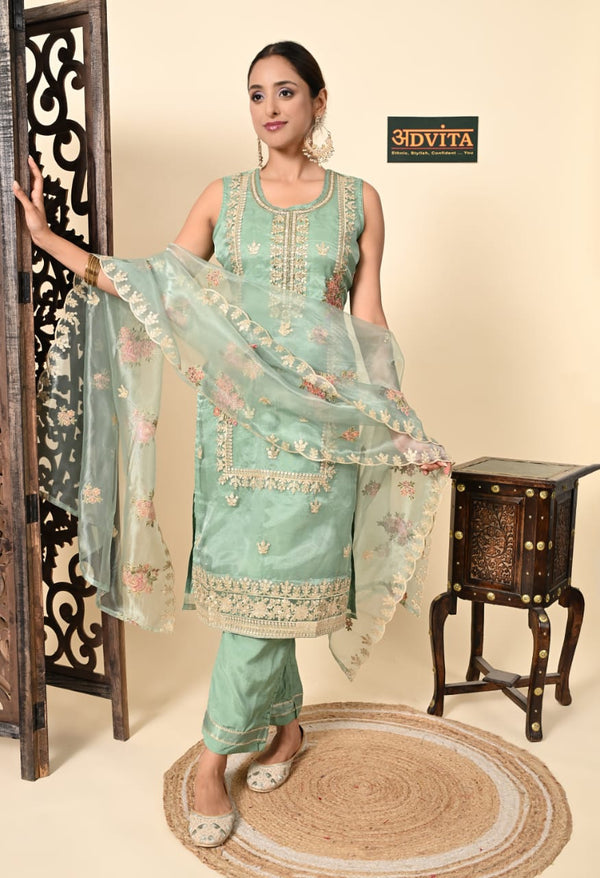
Janmashtami Outfit Ideas with a Modern Ethnic Twist

Janmashtami has a different energy compared to most festivals, the celebrations often stretch into midnight, there are jhankis to visit, dahi handi events in some cities, and a lot of standing around in temples or community halls. Whatever you wear needs to handle hours on your feet and still look good in photos taken well after dark.
Yellow and peacock blue are the colours most associated with Krishna, and leaning into one of these for Janmashtami is an easy way to feel festive without overthinking it. Here are a few outfit directions worth considering for this year, when Janmashtami falls on September 4.
Why yellow and blue work so well for Janmashtami
Yellow is tied to Krishna through the pitambar, the yellow silk garment he is traditionally shown wearing in most paintings and idols. Peacock blue comes from the peacock feather that is almost always part of his crown in depictions. Wearing either colour, or both together, is a simple way to feel connected to the festival without needing anything elaborate.
These are guidelines rather than rules though. If yellow does not suit your skin tone or you simply do not own anything in that shade, a soft mustard, gold or even a warm cream can work just as well. The point is to feel festive and comfortable, especially since Janmashtami celebrations often run much longer than a typical festival evening.
Kurti and skirt sets for temple visits and jhankis
If your Janmashtami plans involve visiting temples or jhankis set up in your neighbourhood, comfort matters as much as how the outfit looks. A kurti and skirt set gives you the ease of a two piece outfit without the weight of a full sharara, and the flared skirt still photographs well standing next to a beautifully decorated jhanki.

The Advita yellow chinon floral print kurti skirt set with dupatta is a good fit for this kind of evening, the colour ties into the festival theme, the floral print keeps it from feeling too plain, and the chinon fabric does not wrinkle even after a few hours of walking between pandals. If you want more options in this style, the kurta sets collection has several similar silhouettes.
Sharara sets for a dressed up Janmashtami evening
For a slightly more dressed up Janmashtami evening, especially if you are attending a community celebration with dandiya or garba style dancing, a sharara set gives you more movement than a fitted kurta. The flared bottom looks dramatic when you are dancing or walking through a crowd, without restricting your steps.

The Advita mustard yellow party wear sharara suit with dupatta leans into the festival colours while still feeling like something you could wear again for navratri or a sangeet later in the year. If sharara sets are more your style generally, it is worth browsing the sharara collection for other shades that work for Janmashtami.
Navy blue and geometric prints for a modern twist
If yellow feels too predictable or you simply prefer cooler tones, navy and peacock blue are just as tied to Janmashtami through Krishna's association with the peacock feather. A navy blue kurta set with a geometric print also tends to look less obviously festival themed, so you can wear it again for office functions or other family events afterward.

The Advita navy blue gaji silk geometric print A-line kurta set is a good example of this, the print is modern enough that it does not look like a one occasion outfit, and the gaji silk fabric has a slight sheen that photographs nicely under both daylight and the string lights typically used for Janmashtami decorations. The new collection has a few more options in similar blue tones if navy specifically is not quite right for you.
Dressing for a late night celebration
Janmashtami celebrations, especially the midnight aarti marking Krishna's birth, often run much later than other festival events. If you know you will be out past midnight, choose fabrics like chinon, rayon cotton or gaji silk that do not crease or feel heavy after hours of wear, and avoid anything with a stiff dupatta that needs constant adjusting.
Layering is also worth thinking about, since temples and outdoor pandals can get cooler as the night goes on. A light dupatta draped loosely over the shoulders works both as part of the outfit and as something to pull closer if it gets chilly. Comfortable footwear matters more than people expect too, since you are likely to be standing or walking for most of the evening.
When is Janmashtami in 2026
Janmashtami falls on September 4, 2026. It marks the birth of Lord Krishna and is celebrated with fasting through the day followed by celebrations at midnight, which is considered the exact time of his birth. Many temples and community groups hold jhankis and cultural programs in the days leading up to it.
What colours are traditionally worn for Janmashtami
Yellow and peacock blue are the two colours most closely associated with Janmashtami, both linked to how Krishna is traditionally depicted. That said, plenty of people simply wear festive colours of their choice, and there is no strict rule about what you must wear. The important part is feeling comfortable for what can be a long evening.
What should I wear for a late night Janmashtami event
Choose breathable fabrics like chinon, rayon cotton or gaji silk that hold up well over several hours, and avoid anything too tight or with a heavy dupatta. A kurti and skirt set or a sharara set both work well since they allow movement for any dancing or walking involved. Carrying a light shawl or dupatta is also a good idea in case it gets cooler later at night.
Janmashtami outfits do not need to be complicated, leaning into yellow or blue, picking a fabric that can handle a long evening, and choosing something you can move around in comfortably covers most of what matters. Whether you go with a kurti skirt set, a sharara or a kurta set in a cooler tone, the goal is to feel festive without spending the whole evening adjusting your clothes. You can browse the full kurta sets collection for more Janmashtami friendly options this year.
Kurta Sets
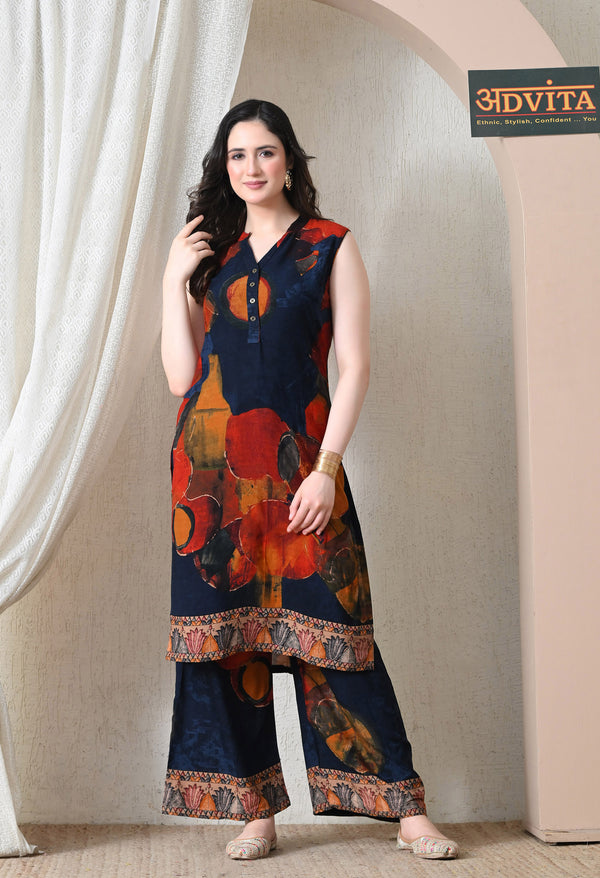
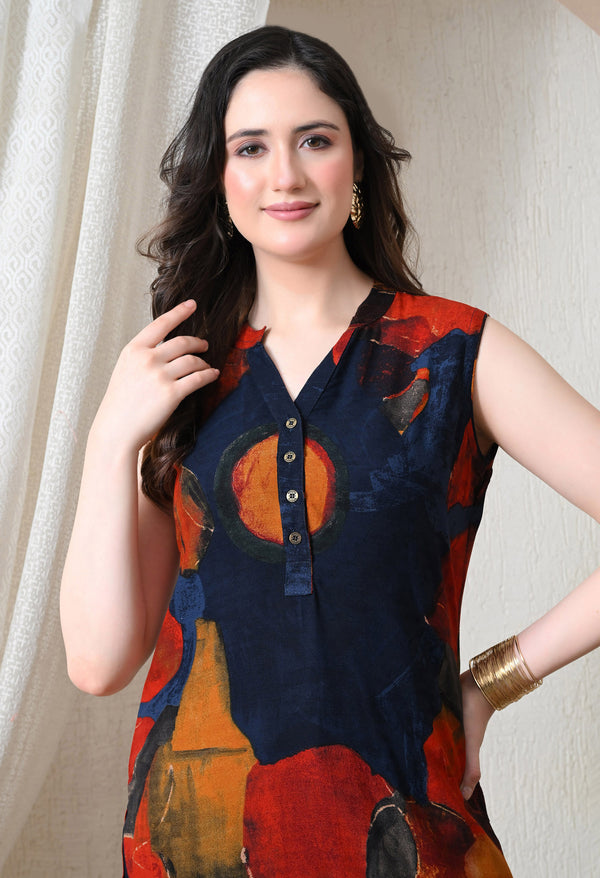
Advita Navy Blue Abstract Art Print Rayon Cotton Kurta Set for Women
Rs. 1,599.00 Rs. 1,999.00
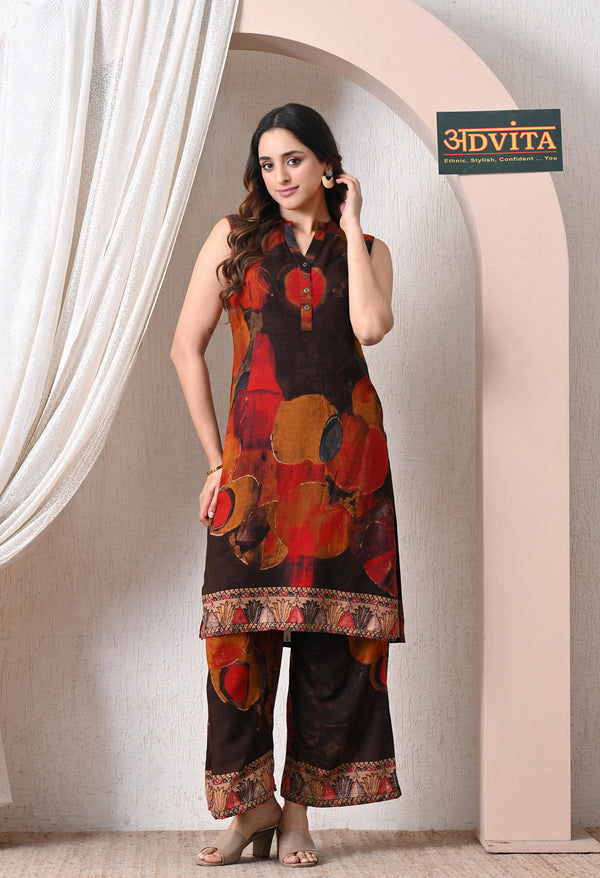
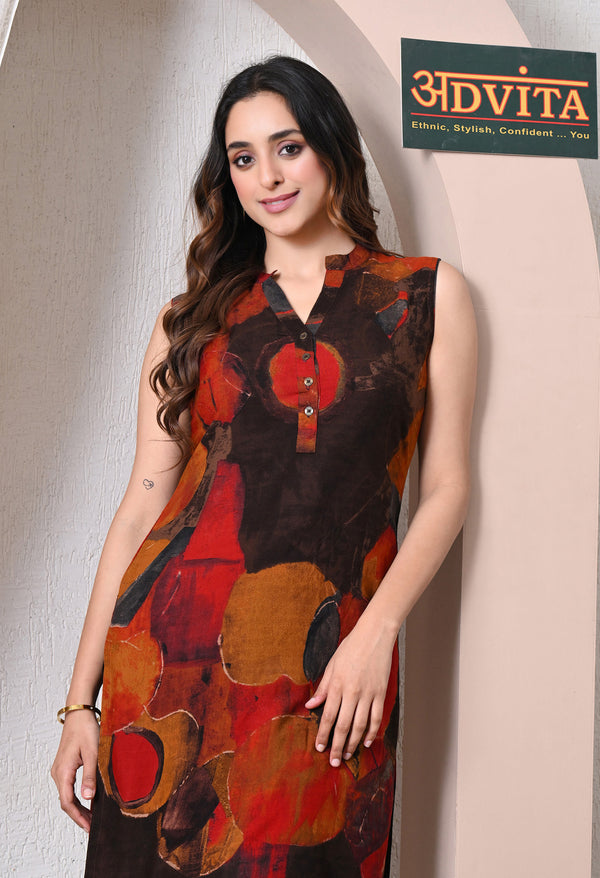
Advita Dark Brown Abstract Print Rayon Cotton Kurta Set for Women
Rs. 1,599.00 Rs. 1,999.00
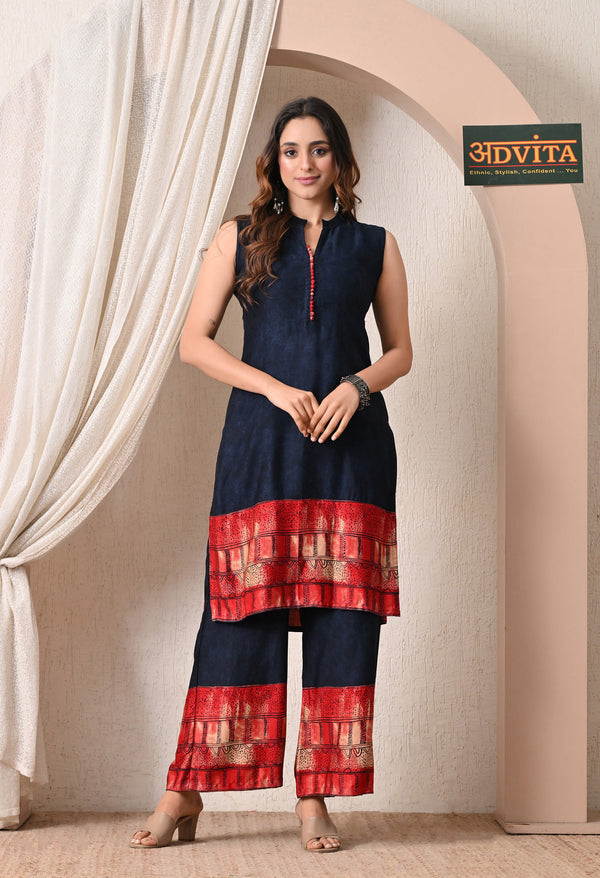
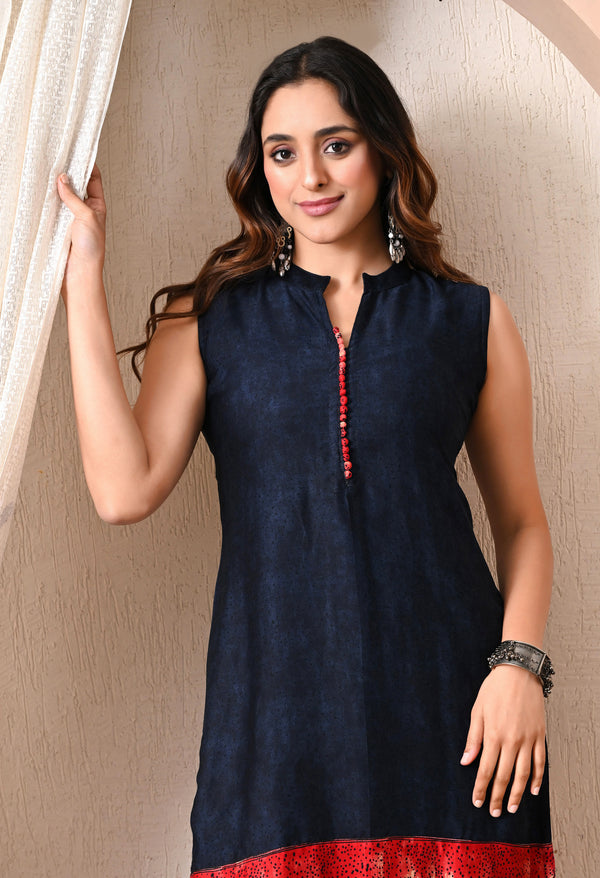
Advita Navy Blue Red Border Rayon Cotton Kurta Set for Women
Rs. 1,599.00 Rs. 1,999.00
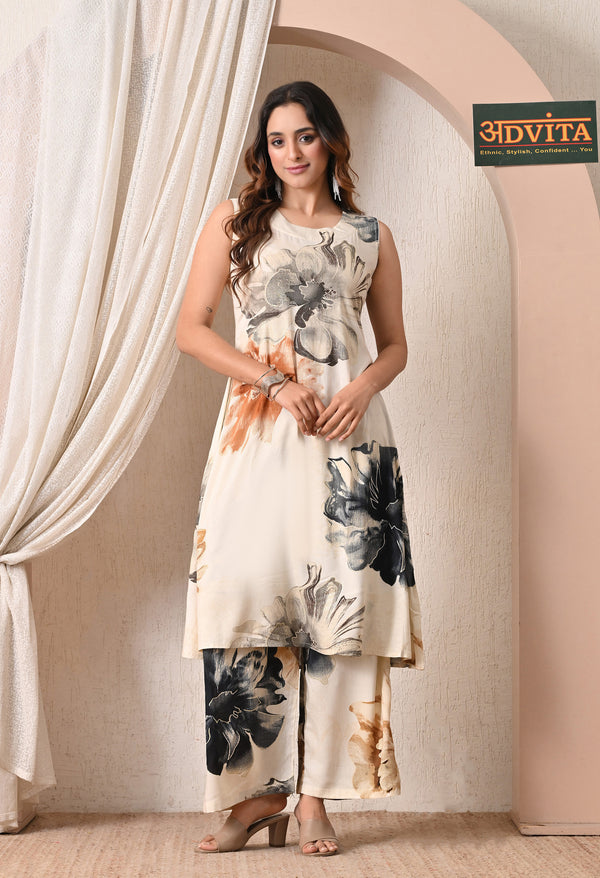
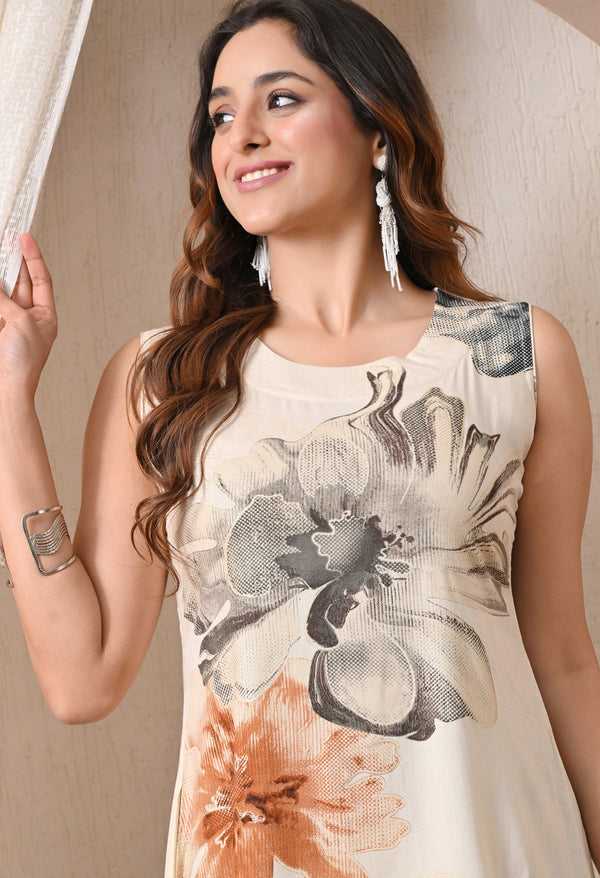
Advita Cream Floral A-Line Rayon Cotton Kurta Set for Women
Rs. 1,699.00 Rs. 2,899.00